Start here: what gambling advertising regulation actually covers
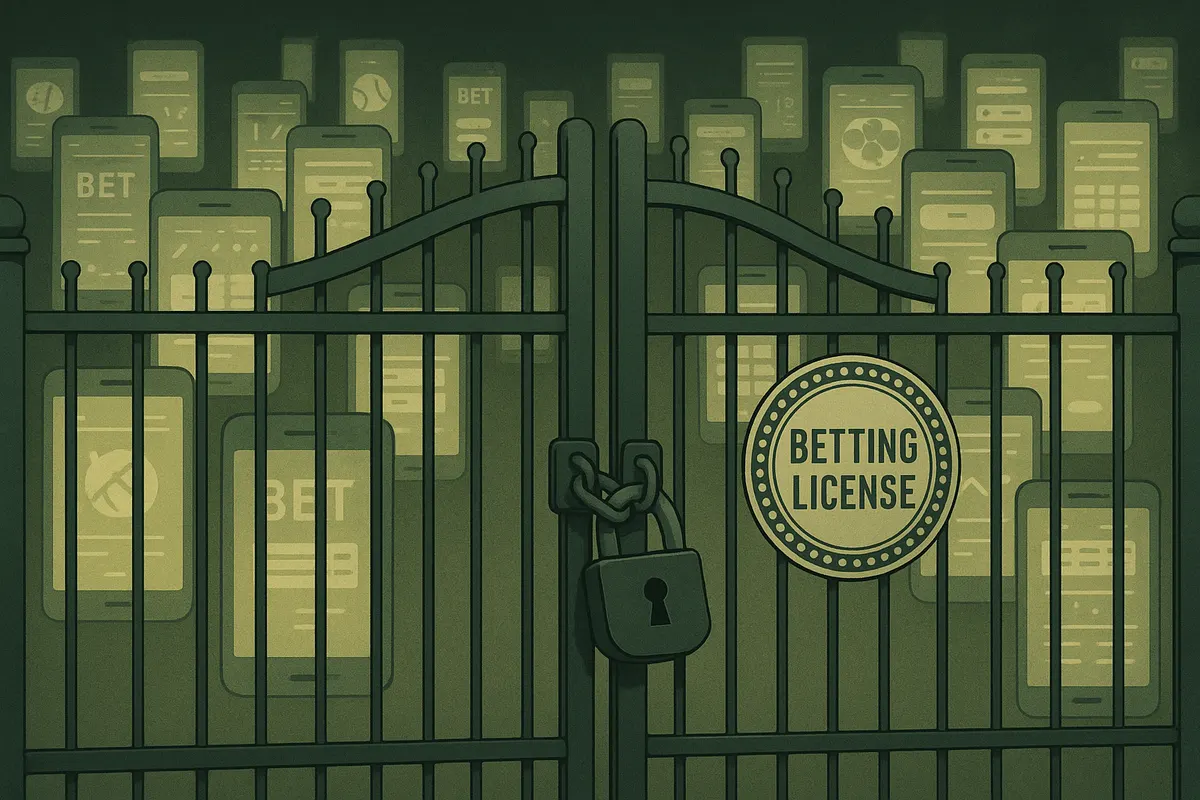
Gambling advertising regulation is the set of rules deciding who may promote betting and casino products, to whom, in which countries, and with what wording. That sounds tidy. It stops being tidy the moment the ad lives on a global social platform, was paid for by an offshore company, and was served to a user whose age the platform only knows because they typed a birth year into a form years ago.
That gap between the rulebook and the feed is exactly what a Dutch trade body is now testing in court against Meta. It’s worth following closely, because the outcome shapes what you see on Facebook, Instagram and similar platforms, and how much responsibility a platform carries for the gambling ads it sells.
The Dutch case against Meta, in plain terms
VNLOK, the trade association representing licensed online gambling operators in the Netherlands, has summoned Meta to court over illegal gambling advertising on its platforms. “Illegal” here has a narrow, technical meaning: ads for operators that hold no Dutch licence and therefore have no legal right to target Dutch consumers at all.
The frustration behind the case is easy to follow once you know the Dutch backdrop. Since 1 July 2023, the Netherlands has banned untargeted gambling advertising, one of the strictest regimes in Europe. Licensed operators there work inside tight limits on where and how they may advertise, with the national regulator, the Kansspelautoriteit, policing them. Unlicensed sites, meanwhile, have no licence to lose. If their ads keep appearing in Dutch feeds, the operators playing by the rules are the ones paying the price for compliance.
So the legal question VNLOK is pushing is not really “are these ads illegal?” Everyone agrees that unlicensed gambling promotion breaks Dutch law. The question is whether the platform carrying and monetising those ads can be held liable for them, and forced to remove and prevent them. That’s the regulatory milestone: it moves the argument from chasing anonymous advertisers to holding the distribution channel accountable.
How a casino ad reaches your feed
Understanding the case gets much easier once you know the mechanics. Social media casino ads pass through a short, mostly automated pipeline.
- Authorisation. Meta’s own advertising policy treats real money gambling as a restricted category. Advertisers are supposed to apply for written permission, declare the countries they will target, and show they are licensed there.
- Geo and age targeting. Approved advertisers can only run in jurisdictions the platform has opened up, with minimum age targeting set at 18 or higher depending on the market.
- Automated review. Creative assets are scanned by machine systems for banned claims, imagery that appeals to minors, and missing disclaimers, with human review on a fraction of cases.
- Auction and delivery. The ad then competes for your attention based on interest signals, lookalike audiences, retargeting pixels and behavioural data. If you’ve ever searched a slot name or visited a casino site, the system has noticed.
- Ongoing enforcement. Violations surface mainly through reports, spot checks and regulator complaints, after the ad has already run.
Every step in that chain is defeatable by a determined bad actor. Fake or borrowed licences, ads that redirect to a different site after approval, “news article” landing pages, influencer posts that never enter the ad system at all, and recycled ad accounts that reappear within days of a ban. The scale is the problem: millions of ads a day cannot be individually vetted by humans, and automated review is only as good as the signals it’s trained on.
Why gambling advertising regulation is tightening almost everywhere
Four concerns keep showing up in regulators’ reasoning, and they apply well beyond the Netherlands.
Underage exposure. Age targeting on social platforms relies on self-declared birth dates. Cartoonish slot creatives, gaming-adjacent language and influencer formats blur the line further. Whatever the law says about who may be shown a gambling ad, enforcement depends on data the platform cannot fully verify.
Problem gambling and retargeting. The same machinery that finds “high intent” customers also finds the heaviest spenders. An algorithm optimising for deposits doesn’t distinguish between a casual weekend player and someone chasing losses. That’s why several regulators now restrict behavioural targeting for gambling rather than just ad content.
Misleading promotions. “Free spins” with 40x wagering requirements, headline bonus figures with sticky terms, max cashout caps buried in a linked page. A bonus that can’t realistically be converted to withdrawable cash is an advertising standards problem, not just a fine print problem.
Cross-border reach. A licence is national; a platform is global. Unlicensed operators exploit that mismatch deliberately, which is why liability is shifting towards intermediaries: platforms, payment providers, affiliates and app stores.
Multiple layers of oversight now sit on top of any gambling ad, and each has a different pressure point.
| Layer | Who enforces it | What it checks | Where it’s weak |
|---|---|---|---|
| Platform policy | Meta and other platforms | Advertiser authorisation, permitted countries, age targeting, banned claims | Self-declared data, automated review, recycled ad accounts |
| National gambling regulator | Licensing authority (e.g. the Kansspelautoriteit in the Netherlands) | Whether the operator is licensed and obeys local ad limits | Little practical reach over offshore, unlicensed advertisers |
| Advertising standards bodies | Self-regulatory codes | Misleading claims, appeal to minors, disclosure of terms | Usually rulings after the fact, limited penalties |
| Courts and consumer law | Civil and criminal courts | Platform liability, unfair commercial practices | Slow, case by case, jurisdiction specific |
What tighter enforcement changes for you as a player
The visible effects are gradual rather than dramatic. Expect fewer gambling ads in your feed overall, and more of the ones you do see coming from operators licensed in your own market. Expect stronger age gating on both ads and landing pages, more prominent responsible gambling messaging, and bonus offers written with the wagering requirement stated up front rather than three clicks away.
There’s a less comfortable side, too. When licensed advertising is squeezed hard, unlicensed promotion often shifts to channels that are harder to police: influencer posts, messaging groups, affiliate blogs, “free tips” communities. Tighter rules on paid ads don’t automatically make the environment safer. They make it more important that you can tell the difference yourself.
A quick way to read any gambling ad you come across:
- Look for a named licence and licence number on the operator’s site, then check it against the regulator’s own register rather than trusting the badge image.
- Find the wagering requirement before you find the bonus headline. A 100% match up to a big number means little without the rollover multiplier, game weighting and max cashout.
- Be sceptical of anything implying reliable income, “guaranteed” wins or a system that beats the house. Every game carries a built-in house edge, and a 96% RTP slot returns roughly 96% of wagers averaged over millions of rounds, not over your session.
- Treat celebrity endorsements and screenshots of big wins as marketing assets, not evidence.
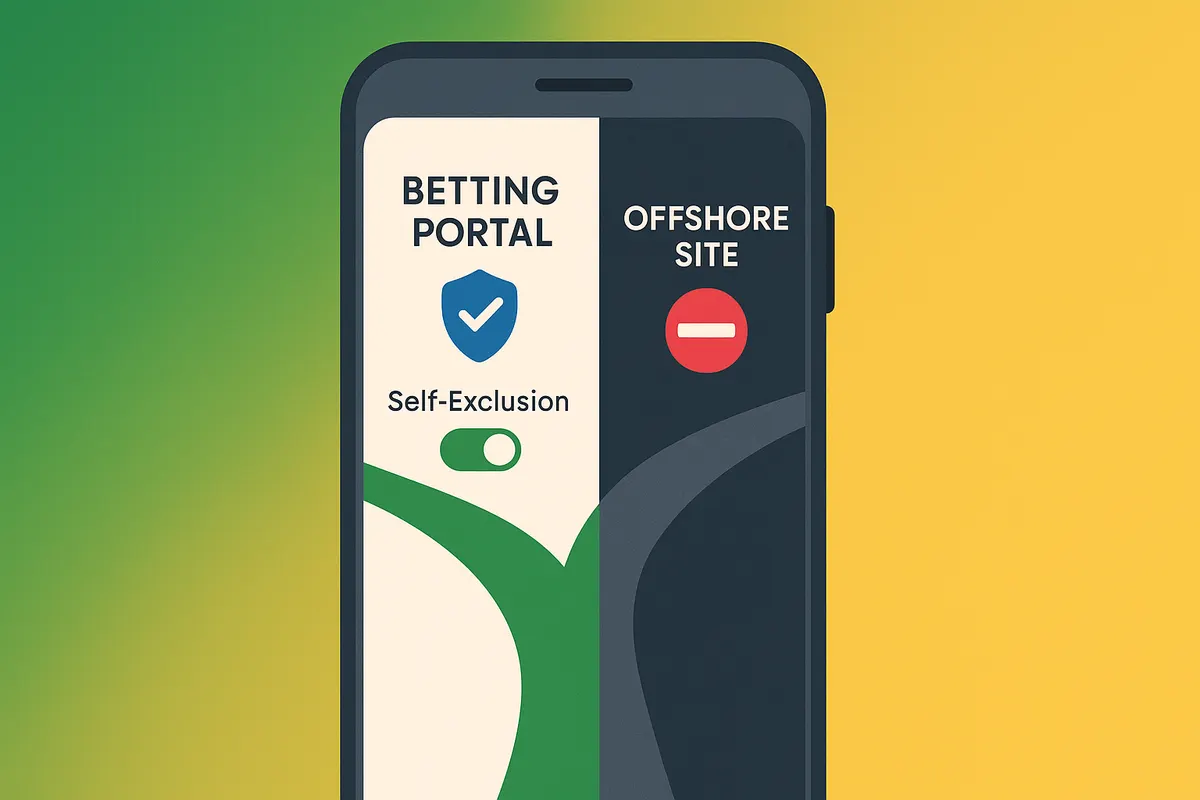
- Check whether deposit limits, session reminders and self-exclusion tools are easy to find. Licensed operators are required to offer them; unlicensed sites often don’t bother.
If you want the fuller picture on how these rules apply locally, our guide to online casino regulations in India covers the state-by-state position and the national restrictions on advertising online money games, which now sit alongside longstanding advisories against betting promotions in Indian media. Indian readers seeing casino ads on international platforms are watching the same mismatch the Dutch case is about: a global ad system meeting a national rulebook.
How platforms are responding to the pressure
The pattern so far is incremental tightening rather than exit. Platforms have expanded restricted-category rules for gambling, required country-level authorisation, built ad libraries that let regulators and journalists see what ran and where, and added reporting routes for regulators to flag illegal ads in bulk. Some markets have been closed to gambling advertising entirely at the platform’s discretion.
The commercial tension is obvious. Gambling is a high value advertising vertical with deep pockets and strong measurement, so a platform’s incentive is to keep the category open and manage the risk. Regulators increasingly want the opposite order of operations: verify first, publish second. Court action like VNLOK’s is an attempt to force that shift by attaching legal cost to the current model, rather than waiting for voluntary policy updates.
Whichever way this particular case lands, the direction of travel is clear enough. Platform liability is becoming part of gambling advertising regulation, not an afterthought to it. For players, that mostly means the ads that survive will be better labelled and better policed, and the ones that slip through will be the ones worth ignoring hardest.
Frequently asked questions
How are gambling ads regulated on social media?
Through overlapping layers: the platform’s own restricted-category policy (advertiser authorisation, permitted countries, minimum age targeting), the gambling regulator in each market, advertising standards codes covering content and claims, and general consumer law. Enforcement is largely reactive, triggered by complaints and audits.
Why is Meta facing legal action in the Netherlands?
Dutch licensed operators’ trade body VNLOK has summoned Meta to court over gambling ads from operators without a Dutch licence appearing on its platforms. The case tests whether the platform carrying and monetising those ads can be required to stop them.
What does stricter enforcement mean for players?
Fewer gambling ads overall, tighter age checks, clearer bonus terms and more visible responsible gambling messaging, along with a higher chance that promotion moves to influencer and affiliate channels where the rules are harder to apply.
How do social platforms control casino ads?
By requiring advertisers to apply for permission and declare their licensed markets, restricting delivery by country and age, screening creatives automatically before they run, and removing ads and accounts after violations are detected or reported.
Gambling is entertainment with a mathematical cost, not a way to make money. Set deposit and time limits before you play, use the self-exclusion tools your operator provides, and if it stops feeling like a choice, contact a local support service. Our responsible gambling guide explains the tools available and how to use them.